Sciatica Pain Relief
Call 608-338-0617
East Clinic - 4602 South Biltmore Lane, Suite 100, Madison
West Clinic - 1111 Deming Way, Suite 201, Madison
Call 608-338-0617
East Clinic - 4602 South Biltmore Lane, Suite 100, Madison
West Clinic - 1111 Deming Way, Suite 201, Madison
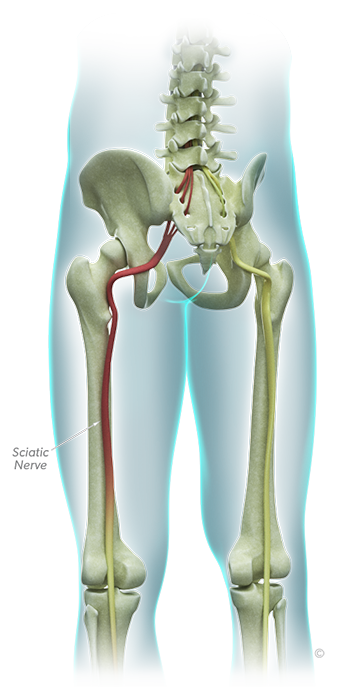
Sciatica pain is commonly caused when the sciatic nerve is irritated, pinched, or compressed in the lower back. One common cause is a herniated or bulging disc that places pressure on a nerve root.
The sciatic nerve is the longest nerve in the body. It is located on each side of the body and travels from the lower back through the hips, buttocks, and down the leg, ending just below the knee.
Sciatica pain varies from person to person. Some people describe it as sharp, shooting, or electric-like pain, while others describe it as a constant dull, burning, or radiating pain.
The pain may come and go. Although the source of the pain often begins in the lower back, the pain is usually felt primarily in one leg or the other.
At Midwest Spine & Nerve Center, we understand that back pain, neck pain, and sciatic pain can disrupt work, sleep, exercise, and normal daily activities. Our goal is to help patients pursue conservative care options without relying on medications, injections, or invasive procedures whenever possible.
Our approach begins with a comprehensive assessment to help identify the underlying cause of your sciatic nerve pain. From there, we develop a personalized treatment plan that may include non-surgical spinal decompression, chiropractic care, core strengthening, K-Laser therapy, physiotherapy, and other conservative pain-relief therapies.
Are you tired of sharp, shooting pain that radiates down your leg? Sciatica can be debilitating, affecting your ability to work, exercise, walk, sit, and sleep. Our approach to sciatica treatment focuses on relieving pressure on the irritated nerve while helping improve spinal function and mobility.
Through gentle lumbar decompression, treatment may help create negative pressure on the spinal discs, which may reduce pressure on affected nerves and help calm inflammation contributing to sciatic pain.
Do not let sciatica hold you back from living your best life. Take the first step by scheduling a consultation with Midwest Spine & Nerve Center in Madison, WI.
Learn More About Spinal DecompressionSciatica can have several underlying causes, including herniated discs, bulging discs, degenerative disc disease, spinal stenosis, muscle irritation, and nerve compression. Because the source of sciatic pain can vary, a proper evaluation is important before beginning care.
Sciatica symptoms often begin in the lower back or buttock and travel into one leg. Some patients experience pain that runs down the back of the thigh, into the calf, or even into the foot. Others may notice numbness, tingling, burning, weakness, or difficulty sitting, standing, walking, or sleeping comfortably.
Because sciatica is usually a symptom of nerve irritation rather than a condition by itself, identifying the cause is important. Herniated discs, bulging discs, spinal stenosis, degenerative disc disease, and lower back joint problems may all contribute to sciatic nerve pain.
At Midwest Spine & Nerve Center, our doctors focus on conservative sciatica treatment options designed to reduce pressure on the irritated nerve, improve spinal function, and help patients return to normal daily activity. Depending on your condition, care may include spinal decompression therapy, chiropractic care, physiotherapy, K-Laser therapy, core strengthening, and supportive home care recommendations.
If your sciatic pain is caused by a herniated or bulging disc, non-surgical spinal decompression may help reduce pressure on the affected disc and nerve root. This gentle therapy is designed to create negative pressure within the disc, which may help relieve nerve compression and support the movement of fluids and nutrients back into the disc.
Sciatica pain is commonly caused when the sciatic nerve is irritated, pinched, or compressed in the lower back. Common causes include herniated discs, bulging discs, degenerative disc disease, and spinal stenosis.
Sciatica pain may feel like sharp, shooting, electric-like, burning, or radiating pain that travels from the lower back into the buttock, hip, leg, or foot. It is often felt more strongly on one side.
Many sciatica cases may be treated with conservative, non-surgical therapies such as spinal decompression, chiropractic care, core strengthening, K-Laser therapy, and physiotherapy. A consultation is needed to determine whether care is appropriate.
Yes. Midwest Spine & Nerve Center provides non-surgical sciatica treatment options at two Madison, WI clinic locations.

Sciatica Pain? We can help!
The doctors and staff at Midwest Spine & Nerve Center are excited to help you improve your health and return to an active lifestyle. Please enter your information below.

"I suffer from mild back pain along with sciatic pain and discomfort in my right leg as the result of a herniated disc in my lower spine. I was managing the pain and discomfort through the regular stretching and exercises and the daily use of over-the-counter anti-inflammatory drugs. Since completing the treatment, my back and sciatic pains are gone and the discomfort of the sciatica is greatly reduced. Spinal decompression has had a huge impact on my overall well-being! Thank you, Midwest Spine & Nerve Center!"
- Raymond B.
"I was suffering from severe sciatic pain in my left leg and was considering surgery. I lay on the living room floor for two weeks, not able to work. I thought spinal decompression sounded too good to be true, but not wanting surgery, I decided to give it a try. My results have been everything I had hoped for. I was surprised how soon I felt relief and quickly was off pain medication. I returned to work shortly after starting treatment, pain free doing all the things I enjoyed doing before."
- Jim M.
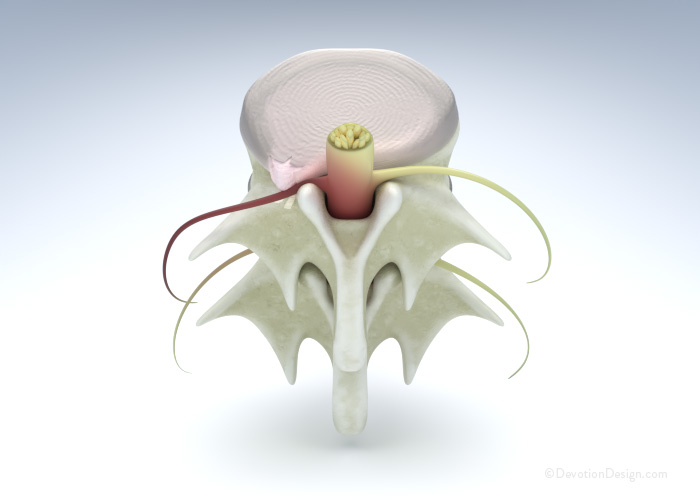
Pressure from vertebrae can cause the gel-like center of a disc to bulge or herniate through a weakness in its outer wall. When a herniated disc occurs in the lower back, it can press on the sciatic nerve.
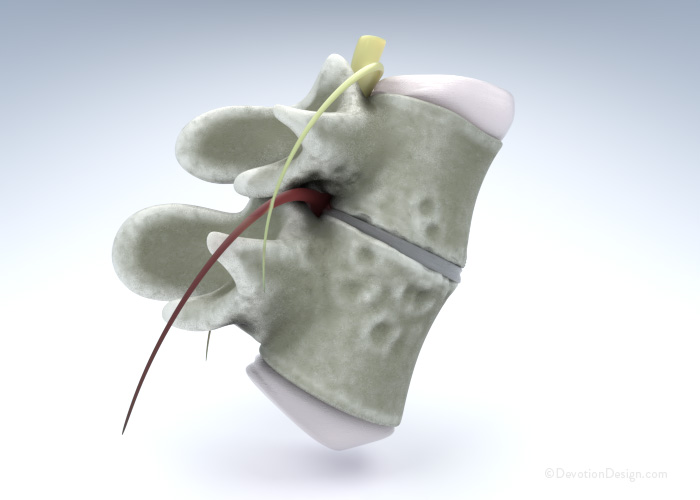
Degenerative disc disease is wear and tear of the spinal discs. As discs lose height, nerve passageways may become smaller, which can contribute to pressure on the sciatic nerve.
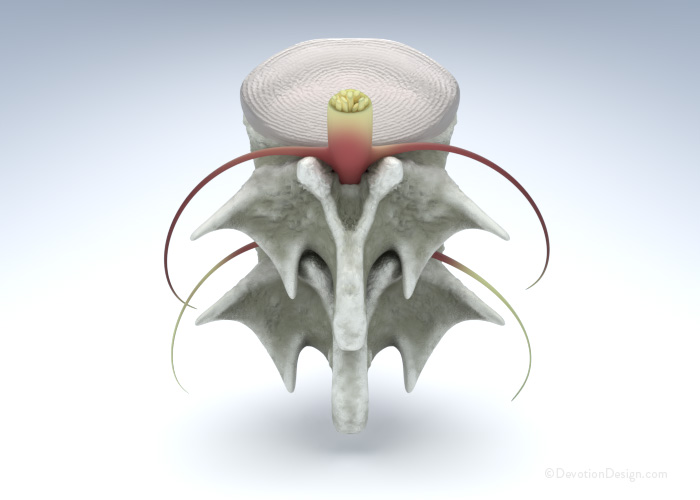
Spinal stenosis is an abnormal narrowing of the spinal canal. This narrowing reduces available space for spinal nerves and may pinch the sciatic nerve as it leaves the spine.
The American College of Physicians strongly advises against the use of opioids to relieve back pain.

Two Convenient Madison Locations:
East Clinic - 4602 South Biltmore Lane, Suite 100, Madison
West Clinic - 1111 Deming Way, Suite 201, Madison
©2026 Midwest Spine and Nerve Center. All Rights Reserved. | Legal Notes | Privacy Policy